Table of Contents
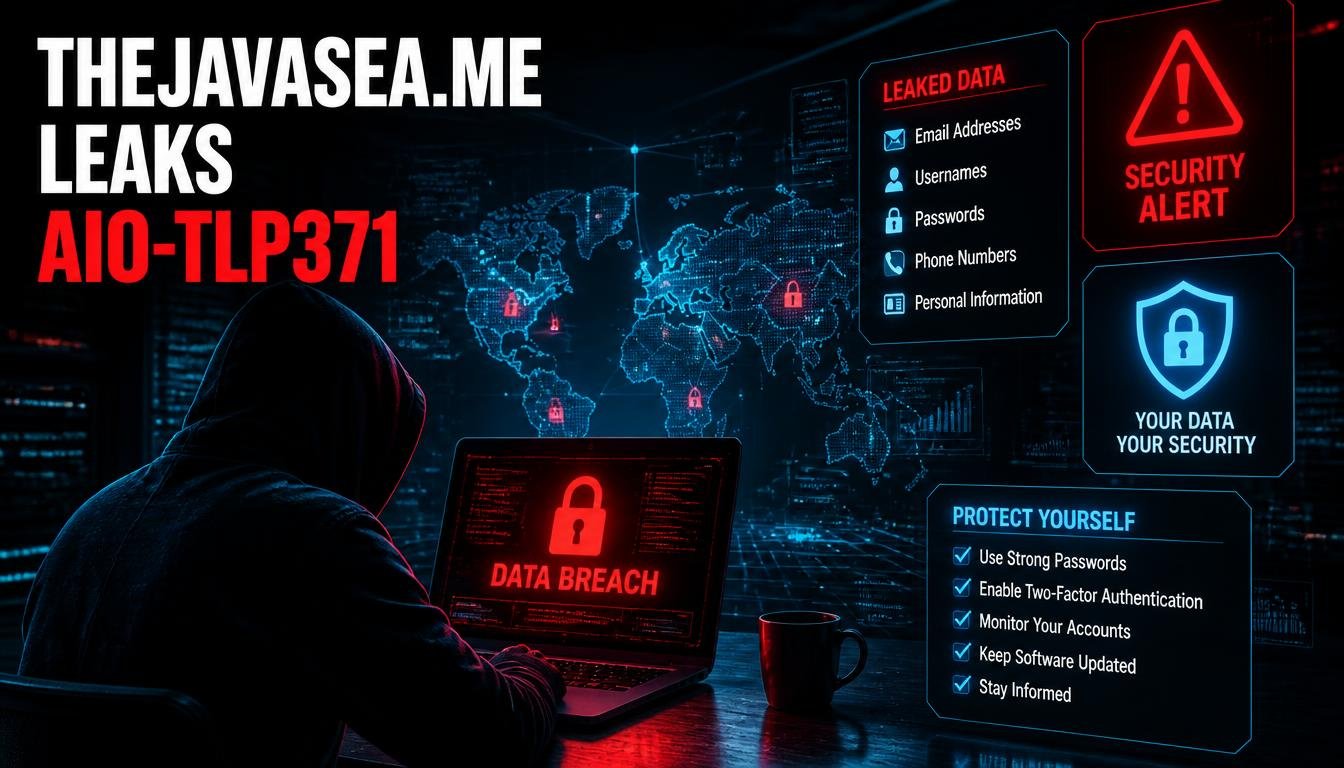
If you are searching for AIO-TLP371 Leak Explained 2026?, you are in the right place. This article explores what thejavasea.me leaks aio-tlp371 is, why it has attracted attention, and what the publicly available information suggests. It also explains the possible cybersecurity risks, common questions, and important facts readers should understand before believing online claims. By the end, readers will have a simple and balanced understanding of the topic without unnecessary confusion.
This article explains thejavasea.me leaks aio-tlp371 in simple language, examines the available information surrounding the reported leak, discusses its possible cybersecurity and privacy implications, separates verified facts from speculation, and shares practical tips that help individuals and organizations improve their digital security.
What Is thejavasea.me Leaks AIO-TLP371?
The term thejavasea.me leaks aio-tlp371 has become a popular search topic across technology communities and cybersecurity discussions. Many people have encountered the phrase while looking for information about online data leaks, digital privacy, or potential security incidents.
At the time of writing, there is very little verified public information confirming exactly what AIO-TLP371 represents. Most discussions originate from forums, social media conversations, and unofficial reports rather than trusted security advisories.
Because of this uncertainty, readers should approach every claim carefully. Not every leaked dataset, screenshot, or online post represents authentic information. Some reports may combine facts with speculation, making it difficult to distinguish reality from rumors.
Rather than assuming every online statement is accurate, cybersecurity professionals recommend relying on trusted evidence and official sources whenever possible.
Why Has AIO-TLP371 Gained Attention?
Several factors have contributed to the growing interest in this topic.
First, large-scale data breaches have become increasingly common over the last few years. Whenever a new leak appears online, users naturally want to know whether their information has been affected.
Second, websites and online communities often share unverified claims before investigators confirm their authenticity. This rapid spread of information creates curiosity while also increasing confusion.
Third, search engines have recorded growing interest in cybersecurity topics. As more people become aware of digital threats, terms like thejavasea.me leaks aio-tlp371 receive additional attention simply because users want reliable explanations.
Understanding How Data Leaks Happen
Most data leaks do not occur because of a single mistake. Instead, they usually result from several security weaknesses working together.
Common causes include:
- Weak passwords
- Misconfigured cloud storage
- Software vulnerabilities
- Phishing attacks
- Insider mistakes
- Malware infections
- Poor access management
- Outdated security systems
Once attackers discover these weaknesses, they may collect sensitive information before organizations realize a breach has occurred.
This is why cybersecurity experts focus heavily on prevention rather than reacting only after incidents happen.
Possible Risks Associated with Online Leaks
Even when details remain unverified, discussions about leaks highlight important cybersecurity risks.
Potential consequences include:
Identity Theft
Personal information may be used to impersonate individuals.
Financial Fraud
Stolen credentials can sometimes be abused for unauthorized transactions.
Privacy Violations
Private communications or personal records may become publicly accessible.
Business Disruption
Organizations may experience operational interruptions while investigating security incidents.
Reputation Damage
Public trust often decreases following reports of major security breaches, even before investigations conclude.
Separating Facts from Online Speculation
One of the biggest challenges surrounding thejavasea.me leaks aio-tlp371 is the amount of speculation circulating online.
Readers should always ask several questions before believing any claim:
- Is there an official confirmation?
- Has the information been independently verified?
- Are trusted cybersecurity researchers discussing it?
- Does the evidence appear authentic?
- Is the information being shared responsibly?
Following these simple questions helps reduce the spread of misinformation.
Why Cybersecurity Matters More Than Ever
Modern life depends on digital systems.
People use online banking, cloud storage, healthcare portals, shopping platforms, social media, and remote work services every day.
Because personal information exists across countless platforms, maintaining strong cybersecurity practices has become everyone’s responsibility.
Organizations continue investing in:
- Threat intelligence
- Leak detection
- Security monitoring
- Vulnerability management
- Multi-factor authentication
- Employee awareness training
These measures reduce the likelihood of future breaches while helping organizations respond more effectively if incidents occur.
Can Sustainable Technology Improve Digital Security?
Although sustainable technology is often associated with environmental benefits, it also supports stronger digital infrastructure.
Modern sustainable technology emphasizes:
- Energy-efficient data centers
- Reliable cloud infrastructure
- Long-term software maintenance
- Secure hardware design
- Efficient resource management
These improvements create systems that remain secure, stable, and easier to maintain over time.
While sustainable technology cannot eliminate cybercrime, it helps organizations build stronger digital foundations that support long-term cybersecurity.
Best Practices for Staying Safe Online
Whether or not someone is directly affected by a reported leak, good cybersecurity habits remain essential.
Use Strong Passwords
Create unique passwords for every important account.
Enable Multi-Factor Authentication
A second verification step provides additional protection.
Update Software Regularly
Security updates often fix newly discovered vulnerabilities.
Watch for Phishing Attempts
Avoid clicking suspicious emails or unknown links.
Monitor Important Accounts
Review banking, email, and social media accounts regularly.
Back Up Important Files
Regular backups reduce damage if ransomware or data loss occurs.
Follow Trusted Sources
Rely on official cybersecurity organizations rather than rumors shared on social media.
What Should Organizations Learn?
Businesses can also improve their security posture.
Important recommendations include:
- Conduct regular security audits.
- Train employees about phishing attacks.
- Encrypt sensitive information.
- Limit unnecessary system access.
- Perform vulnerability assessments.
- Create incident response plans.
- Monitor network activity continuously.
Organizations that prepare in advance often recover much faster from cybersecurity incidents.
Frequently Asked Questions
Is AIO-TLP371 confirmed to be a real data leak?
Publicly available information remains limited. Readers should rely on verified sources instead of online speculation.
Should users worry immediately?
There is no benefit in panicking. Instead, users should follow good cybersecurity practices and monitor their accounts for unusual activity.
Can anyone prevent all cyber threats?
No security solution offers complete protection. However, layered security significantly reduces risk.
Why do leak discussions spread so quickly?
Online communities often share developing information before official investigations are complete.
Final Thoughts
The discussion surrounding thejavasea.me leaks aio-tlp371 highlights an important reality about today’s digital world: information spreads faster than verification. While curiosity about reported leaks is understandable, responsible cybersecurity requires patience, critical thinking, and reliance on trustworthy evidence.
Rather than focusing only on unconfirmed reports, individuals and organizations should strengthen their security practices through better passwords, multi-factor authentication, regular software updates, employee awareness, and continuous monitoring.
Whether AIO-TLP371 ultimately proves to be a significant cybersecurity event or simply another widely discussed online topic, the lessons remain the same. Strong digital security, informed decision-making, and responsible handling of online information are the best defenses against future cyber threats.